What is a Sintered Porous Filter Used For?
In today’s world, filtration plays a crucial role across various industries, ensuring that liquids, gases, and air are clean, contaminant-free, and safe for further use. One type of filtration technology that’s been gaining attention for its versatility and effectiveness is the sintered porous filter. But what exactly is it, and where is it used? Let’s dive into the specifics of these high-performance filters, their applications, and their benefits across different sectors.
What Are Sintered Porous Filters?
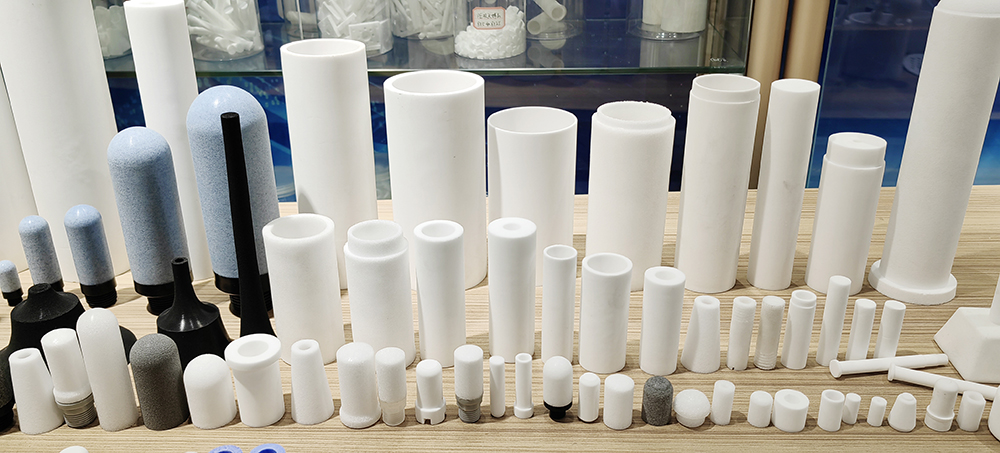
Sintered porous filters are crafted using a process called sintering, where powdered materials (often metals like stainless steel, bronze, or even plastics) are compressed and heated to a point where the particles bond but do not completely melt. This results in a strong, durable material with a highly porous structure, allowing fluids or gases to pass through while trapping unwanted particulates. The sintered process creates a filter that’s both robust and precise, making it suitable for demanding applications where durability and fine filtration are essential.
Applications of Sintered Porous Filters
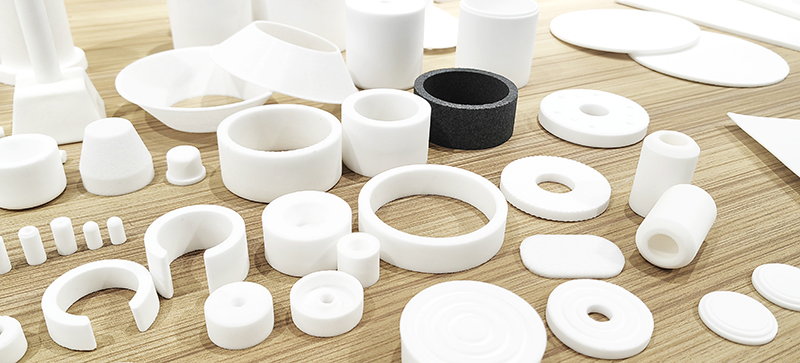
Sintered porous filters have found their way into numerous industries, offering solutions for both simple and complex filtration challenges. Let’s explore some of the key areas where these filters shine:
1. Industrial Filtration
In heavy industrial processes, sintered porous filters are indispensable for removing impurities from liquids and gases. Whether in chemical processing or pharmaceutical manufacturing, these filters excel at keeping the production process clean, preventing contamination, and ensuring consistent quality. By filtering out particulates and debris, they help protect equipment like pumps, valves, and pipelines, leading to improved system efficiency and longevity.
2. Air Filtration
Air quality is paramount in many settings, from commercial HVAC systems to automotive air filtration and even cleanroom environments in laboratories. Sintered filters capture dust, allergens, and harmful contaminants from air streams, ensuring cleaner air and safer working conditions. Their ability to maintain performance under high pressure and temperature makes them ideal for demanding air filtration applications.
3. Liquid Filtration
Sintered porous filters are highly effective in water purification and oil filtration systems. They’re used in fuel systems, helping remove water and particulates from oil or diesel, ensuring that engines run smoothly. In food and beverage production, they’re crucial for filtering liquids like juices, oils, and syrups, ensuring that the final product is pure and contaminant-free.
4. Gas Filtration
In industries that require precise gas filtration, like compressed air systems or gas pipelines, sintered porous filters provide a robust solution. They ensure that gases are free from impurities, which is critical in sectors like aerospace, where clean, filtered air or gas is vital for safety and performance.
5. Hydraulic Systems
In hydraulic systems, even the tiniest contaminants can lead to failures. Sintered porous filters are used to protect hydraulic pumps, valves, and actuators from debris and particulates, maintaining system integrity and prolonging the lifespan of the equipment.
6. Medical and Laboratory Use
Sintered porous filters also play a vital role in medical applications such as blood filtration, drug delivery systems, and sterilization processes. They offer a high degree of precision and reliability, ensuring that medical devices and fluids meet stringent safety standards.
Why Choose Sintered Porous Filters?
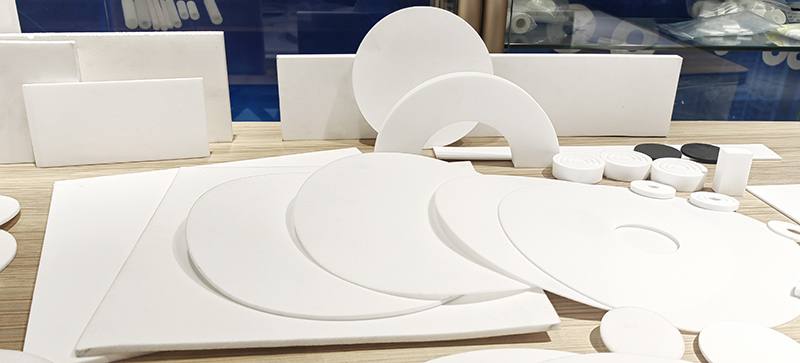
When it comes to filtration, the benefits of sintered porous filters are hard to ignore. Here are some of the standout advantages:
Durability
Sintered porous filters are built to last. Made from robust materials like stainless steel or bronze, they can withstand extreme pressures and temperatures, making them ideal for harsh industrial environments.
Customizable Pore Sizes
One of the unique features of sintered filters is that the pore size can be precisely controlled during the manufacturing process. This allows for tailored filtration solutions depending on the application, whether you need ultra-fine filtration for medical use or a coarser option for industrial processes.
Reusability
Unlike disposable filters, sintered porous filters are designed for repeated use. They can be cleaned through processes like backwashing or ultrasonic cleaning, offering an environmentally friendly and cost-effective filtration option.
Long Operational Life
Because of their robust construction and reusability, sintered porous filters boast a longer operational life compared to other filter types, making them a great investment for industries that require continuous filtration.
Industries That Use Sintered Porous Filters
Sintered porous filters are used in a variety of industries, including:
Chemical and Petrochemical Industries: To filter liquids and gases in chemical processing plants.
Automotive Industry: For fuel and air filtration in engines.
Pharmaceutical Industry: Ensuring clean, sterile filtration in drug manufacturing.
Food and Beverage Industry: Filtering liquids like water, oils, and syrups.
Water Treatment: In filtration systems for both industrial and municipal water treatment plants.
Aerospace and Defense: For critical gas and liquid filtration systems.
Maintenance and Cleaning of Sintered Porous Filters
Regular maintenance is key to maximizing the lifespan and efficiency of sintered porous filters. Some common cleaning methods include:
Backwashing: A reverse flow of fluid through the filter to dislodge trapped particles.
Chemical Cleaning: Using cleaning agents to remove stubborn contaminants.
Ultrasonic Cleaning: A highly effective method that uses sound waves to clean intricate filter structures.
By performing routine cleaning and maintenance, these filters can operate at peak performance for extended periods.
Conclusion
Sintered porous filters are incredibly versatile, durable, and efficient, making them the go-to filtration solution across a wide range of industries. Whether filtering air, gas, or liquids, these filters provide a reliable way to keep systems clean, safe, and operational. Their reusability and long lifespan also make them a cost-effective choice, perfect for businesses looking to improve their filtration systems without compromising on quality.
FAQs
1. What materials are sintered porous filters typically made from?
Sintered porous filters are commonly made from metals like stainless steel, bronze, and even high-performance plastics.
2. How long do sintered porous filters last before needing replacement?
With proper maintenance, sintered porous filters can last several years, making them a highly durable option.
3. Can sintered porous filters be used for both gas and liquid filtration?
Yes, sintered porous filters are effective for both gas and liquid filtration, offering versatility in different applications.
4. What is the difference between sintered filters and traditional mesh filters?
Sintered filters are more durable and offer finer control over pore size, whereas mesh filters are typically less robust and may require more frequent replacement.
5. How do I clean and maintain a sintered porous filter for optimal performance?
Common cleaning methods include backwashing, chemical cleaning, and ultrasonic cleaning, depending on the level of contamination and the type of filter.