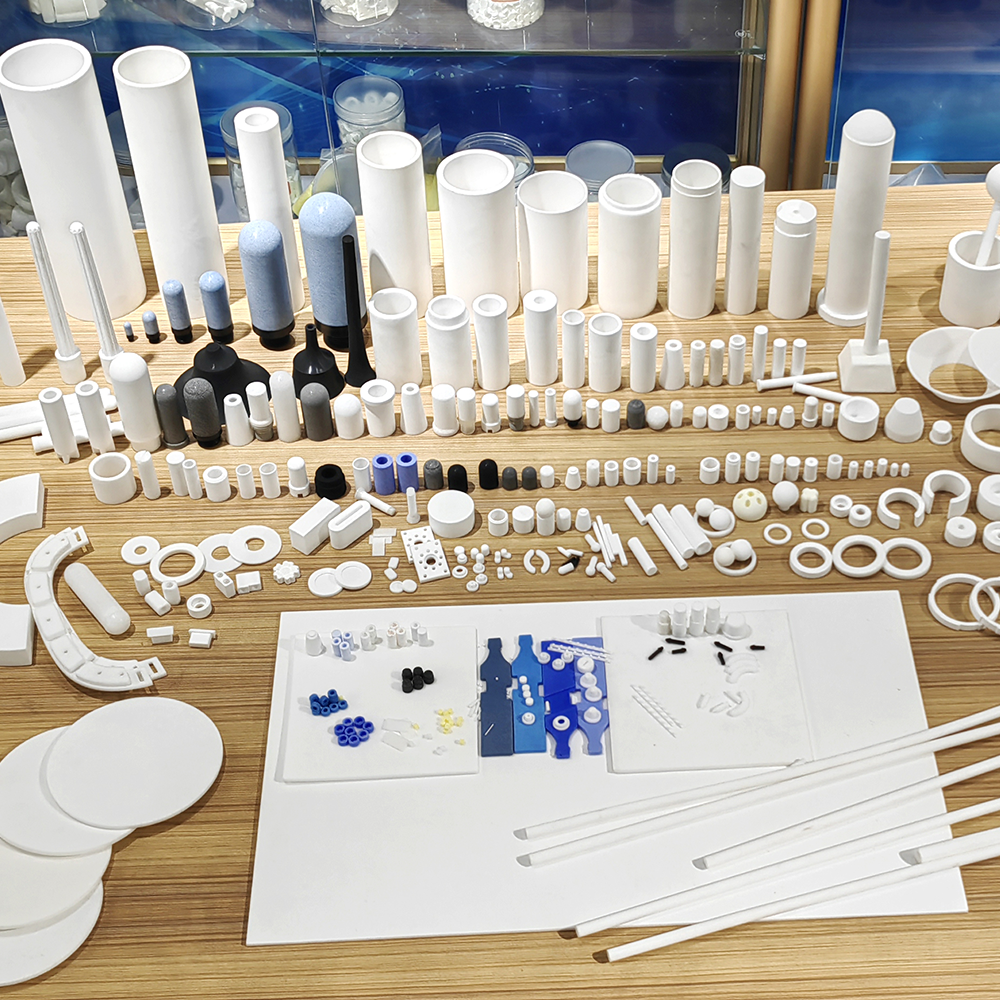
A sintered plastic filter is a type of filter made from powdered plastic materials that are fused together using a process called sintering. In this process, the plastic powder is heated just below its melting point and then compressed, which causes the particles to bond together without fully melting. This results in a solid yet porous structure that allows fluids or gases to pass through while filtering out particulates.
Key Features of Sintered Plastic Filters
Porosity: The sintering process creates a network of interconnected pores, making the filter highly effective at capturing and removing contaminants from liquids or gases.
Durability: Sintered plastic filters are robust and resistant to a wide range of chemicals, making them suitable for demanding industrial applications.
Customizable: The pore size and shape can be controlled during the manufacturing process, allowing for customization based on specific filtration needs.
Reusability: These filters can often be cleaned and reused, providing a cost-effective solution for long-term use.
Applications of Sintered Plastic Filters
Sintered plastic filters are used in a variety of industries, including:
- Water Treatment: For filtering out impurities and particulates in water purification systems.
- Pharmaceuticals: To ensure the purity of liquids and gases in drug manufacturing processes.
- Chemical Processing: For filtering corrosive liquids and gases in harsh industrial environments.
- Food and Beverage: Used in the production process to remove unwanted particles and ensure product quality.
Advantages of Sintered Plastic Filters
Chemical Resistance: They can withstand exposure to a wide range of chemicals without degrading.
Cost-Effective: Their durability and reusability make them a cost-effective choice for many applications.
Versatile: They can be used in both high- and low-temperature environments, and their porosity can be tailored to specific filtration needs.