Introduction
Sintered filters are widely used in a variety of industries for filtration, and one of the most popular materials is polyamide (PA), commonly known as nylon. PA sintered filters are renowned for their durability, chemical resistance, and versatile applications. But what exactly are PA sintered filters, and what makes them stand out? Let’s dive in and find out.
What Are PA Sintered Filters?
Definition and Composition
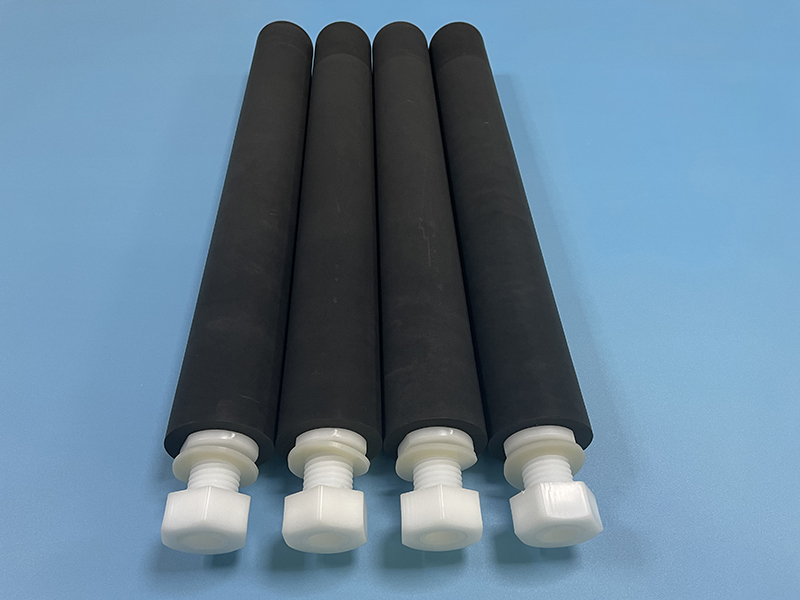
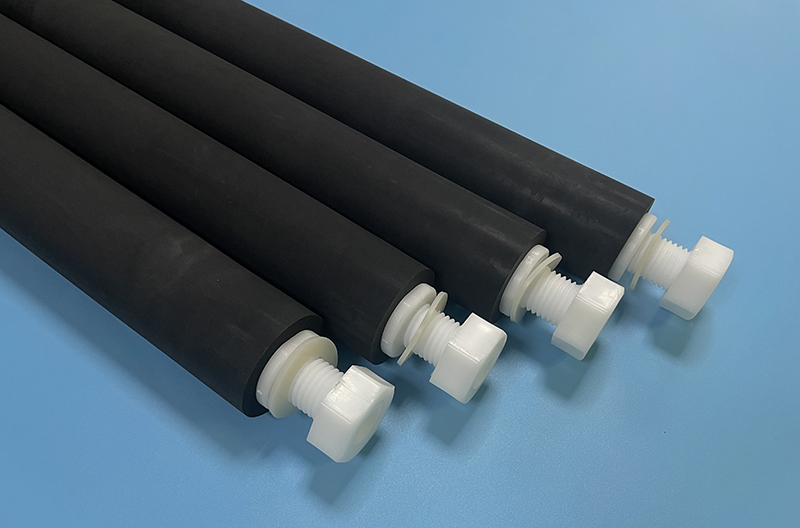
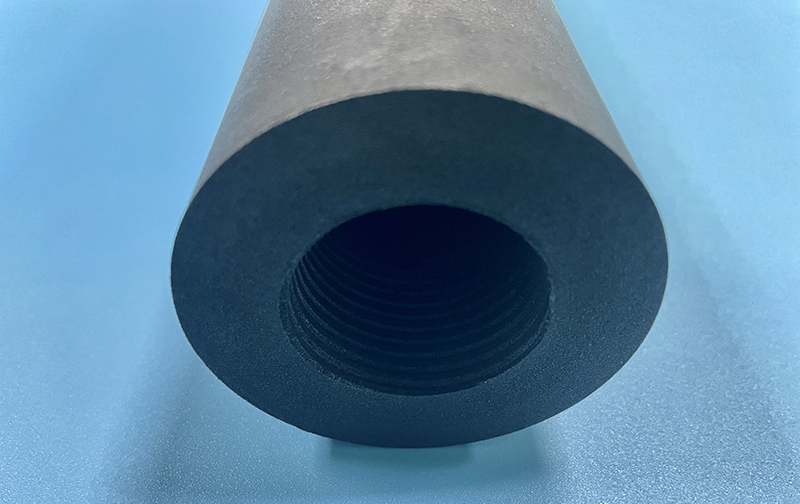
PA sintered filters are made from polyamide, a type of thermoplastic polymer. The filters are created using a sintering process that binds small particles of polyamide together without fully melting them, forming a porous structure. This unique structure allows the filter to trap particulates while allowing fluids or gases to pass through.
How They Are Made
The manufacturing process involves heating polyamide particles until they are just below the melting point, fusing them into a solid but porous form. This technique creates uniform pore sizes that are essential for efficient filtration.
Key Properties of PA Sintered Filters
Porosity
One of the standout features of PA sintered filters is their high porosity. The controlled pore structure ensures efficient filtration by trapping contaminants while allowing the desired fluid or gas to pass through with minimal pressure drop.
Chemical Resistance
PA sintered filters offer good resistance to a wide range of chemicals, including oils, greases, and many solvents. This makes them suitable for applications in industries where chemical exposure is frequent.
Mechanical Strength
Polyamide is known for its strength and durability. These filters are robust and can withstand high levels of mechanical stress, making them suitable for both low and high-pressure applications.
Temperature Tolerance
While PA filters are durable, they do have temperature limitations. Generally, they can withstand temperatures up to 100°C, beyond which they may begin to degrade or lose mechanical integrity.
Advantages of PA Sintered Filters
Durata
PA sintered filters are highly durable and can perform well over long periods, even in demanding industrial environments. Their resistance to wear and tear makes them a cost-effective option for long-term use.
Versatility in Applications
Thanks to their chemical resistance and strength, PA sintered filters can be used in a variety of industries, from water and air filtration to oil and gas applications.
Low Maintenance
Due to their durability, PA filters typically require less frequent replacement and can be cleaned and reused multiple times, reducing overall maintenance costs.
Applications of PA Sintered Filters
Water Filtration
PA sintered filters are commonly used in water filtration systems to remove particulates and contaminants, ensuring clean, safe drinking water or process water.
Air Filtration
In HVAC systems and industrial air filtration, PA filters capture dust, debris, and airborne contaminants, improving air quality and protecting equipment.
Oil Filtration
These filters are used in oil filtration systems to remove impurities and extend the life of machinery by ensuring clean lubricants and hydraulic fluids.
Industrial Uses
In industries like chemical processing, pharmaceuticals, and food production, PA sintered filters are employed to filter various liquids and gases, maintaining product purity and system integrity.
Comparison with Other Filter Materials
PA vs. Stainless Steel Filters
Stainless steel filters are more heat-resistant and durable, making them better suited for high-temperature or highly corrosive environments. However, PA filters are lighter, less expensive, and suitable for many standard applications.
PA vs. Polyethylene (PE) Filters
Both PA and PE filters are chemically resistant, but PE filters may offer slightly better resistance to certain caustic chemicals. However, PA has superior mechanical strength, making it the better option for high-pressure applications.
Conclusione
PA sintered filters provide an excellent balance of durability, chemical resistance, and versatility, making them a great choice for many filtration applications. While they have some limitations, particularly in high-temperature settings, their overall performance makes them a reliable and cost-effective solution in various industries. Understanding your specific filtration needs will help you decide if PA sintered filters are the right fit for your system.
Domande frequenti
Q1: How long do PA sintered filters last?
A1: The lifespan of a PA sintered filter depends on the application and maintenance, but with proper care, they can last several years.
Q2: Can PA sintered filters be reused?
A2: Yes, PA filters can be cleaned and reused multiple times, making them an economical choice for long-term use.
Q3: Are PA sintered filters suitable for food and beverage applications?
A3: Yes, PA sintered filters are often used in food and beverage production due to their chemical resistance and ability to filter fine particulates.
Q4: How do I clean a PA sintered filter?
A4: Cleaning methods include backwashing, soaking in a cleaning solution, or ultrasonic cleaning, depending on the level of contamination.
Q5: Can PA sintered filters handle high-pressure applications?
A5: Yes, PA sintered filters are strong and durable enough to handle high-pressure environments, making them ideal for various industrial uses.