Plastic Silencer for Pneumatic Exhaust Connections

Manage sound from discharged compressed air with a component selected for your equipment’s connection, operating conditions and required flow. For OEM buyers, machine builders and maintenance teams, this page identifies the construction details and documentation to compare before ordering. Prepare your equipment reference and operating requirements to request a quotation.

Product Options and Materials

A pneumatic silencer reduces sound associated with air discharge. Select construction by its documented materials and dimensions, rather than appearance alone.
Check the body material separately from the sound-attenuating element. A polymer housing does not establish the insert’s composition. Published industry documentation distinguishes housings from acoustic inserts; the same distinction belongs in your purchasing specification.
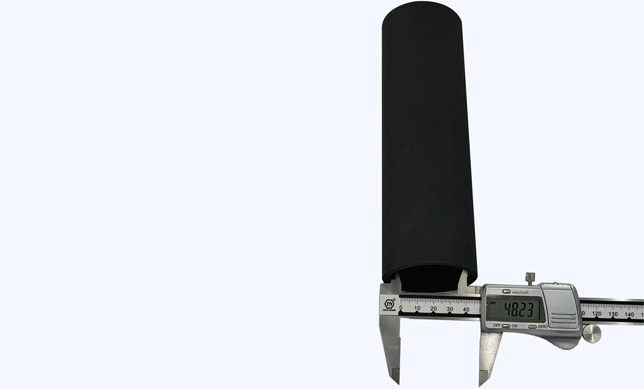
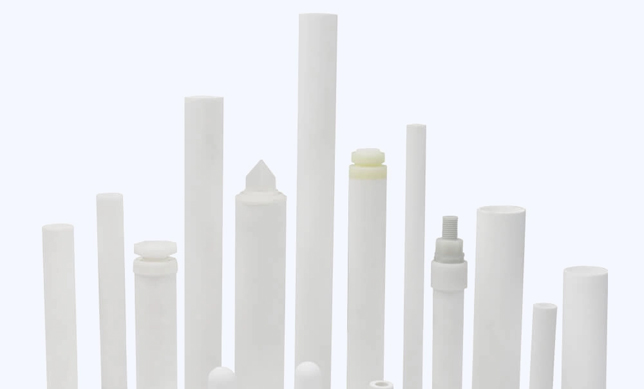
For a candidate described as porous plastic, request its composition, including whether the element is polyethylene or another specified resin. Confirm overall length, outside diameter, installed projection and form factor against a dimensional drawing. These are characteristics to verify for each quoted item, rather than assumed catalog options.
Plastic Silencer
Plastic Silencer

Silencer Performance: Sound and Flow

Compare acoustic performance alongside flow capacity and allowable backpressure. A sound rating alone does not show whether the component can discharge the required volume without affecting equipment operation.

Request:

  • Flow units, reference conditions and the pressure used for the published curve.
  • Maximum operating pressure and ambient and fluid temperature limits.
  • Acoustic measurement method, microphone distance and operating conditions.
  • Permitted backpressure for the connected valve and actuator.

An absolute noise level describes a measured sound-pressure value. Noise reduction describes a difference between specified measurements; the two are not interchangeable. Manufacturer catalogs identify test conditions and circuit-dependent results, so compare equivalent measurements rather than isolated decibel figures.

Plastic or Metal: Which Material Fits Your Requirements?

Use material as one selection criterion alongside documented operating limits. This comparison provides general purchasing context; it does not establish supplier inventory.
Selection CriterionPlastic ConstructionMetal Alternatives
Weight and mountingCompare actual component mass and support requirements.Compare mass and loads imposed on the connection.
Environmental compatibilityCheck the specific polymer against chemicals, oils and exposure conditions.Check the specified alloy; brass, bronze and stainless steel require separate compatibility assessment.
Temperature requirementsUse the complete assembly’s published limits.Verify limits for every element, including any nonmetallic insert.
Mechanical exposureConfirm suitability for impact, vibration and handling.Confirm construction and mounting suitability for the same exposure.
MaintenanceVerify whether cleaning or replacement is specified.Verify service instructions; metal construction alone does not establish reusability.
Sound and flowCompare documented measurements under equivalent conditions.Apply the same comparison; material alone does not establish performance.

Which Applications Suit These Components?

Consider these components for pneumatic valve discharge, solenoid-operated equipment, automation machinery and replacement sourcing where the equipment specification calls for discharge sound attenuation.

Assess duty cycle and peak demand, rather than average consumption alone. Check contamination exposure, available space, surrounding temperature and the equipment manufacturer’s requirements. Oil mist, particles or moisture may affect suitability and maintenance needs.

For an existing machine, record why replacement is needed: physical damage, altered sound, restricted discharge or a planned specification change. That information helps define the purchasing requirement without assuming that another component with the same connection is equivalent.

Which Thread and Connection Fit Your Equipment?

Confirm the complete connection designation from the equipment drawing or existing component record. Matching nominal sizes alone does not establish compatibility between different standards.

Record the thread standard, nominal size, male or female connection, and sealing arrangement. Identification can require checking diameter, pitch and whether the connection is parallel or tapered.

Check clearance for installation, removal and adjacent hardware. If a fitting or adapter is required, confirm the complete assembly’s dimensions and ratings before purchase. Include any mounting restrictions shown in the equipment instructions so a physically similar replacement is not selected on size alone.

Installation, Inspection and Replacement

Follow equipment and component instructions, including isolation and depressurization requirements before removal. Confirm clearance, the specified connection method and any installation torque or sealing instructions.
Inspect for contamination, damage and blockage when operating behavior changes. Deposits can restrict discharge and affect actuator operation. Component precautions from SMC call for replacement when blockage reduces discharge speed and system performance.
Use only cleaning or reuse procedures approved for the exact part. If serviceability is undocumented, request instructions or replacement criteria before ordering maintenance stock. Do not assume an acoustic component also functions as a filter or adjustable flow control device. Replacement timing should follow condition and applicable instructions.

Frequently Asked Questions

Find answers to common questions about pneumatic muffler applications, connection compatibility, sound and flow performance, and the details needed to request a quote.
A plastic silencer helps reduce sound generated when compressed air is discharged from pneumatic equipment. Typical uses include valve outlets, solenoid-operated equipment and automation machinery. Suitability depends on the component’s documented operating limits, flow capacity, connection and the equipment requirements.
Confirm the connection standard, nominal size, male or female configuration and sealing method using the equipment drawing or existing part specification. Matching nominal sizes alone does not confirm compatibility. Check installed dimensions and clearance, including any additional space required for an approved adapter.
Compare acoustic measurements and flow data under equivalent test conditions. Check pressure, flow units, microphone distance and allowable backpressure. A published sound-pressure reading is not the same as a measured reduction. Select a component that meets the equipment’s discharge requirements as well as its acoustic requirements.
Provide the existing part number or equipment reference, connection details, operating pressure and temperature, required flow, available installation space and quantity. Include any acoustic requirements and required documentation. Request confirmation of price, availability, minimum order quantity and delivery timing for the exact item being considered.
Call To Action Form

Request a Custom PE Filter Quote for Your Appliance

Developing a new household appliance or improving an existing filter assembly? Tell Lvyuan what your PE sintered component needs to achieve. Our OEM and ODM customization services support application-specific shapes and dimensions. Share your appliance type, filtration requirements, operating conditions, and estimated quantity so we can review suitable options and prepare a quotation. Include component dimensions or drawing details if available to help us understand your assembly requirements. Still defining the specifications? Simply describe your application and the challenge you want to solve—start with the information you have.