When it comes to precision components, sintered plastic rings are at the forefront of innovation. These tiny yet powerful parts are crucial in various industries, offering unparalleled durability, strength, and versatility. But what exactly are sintered plastic rings, and why are they so essential? In this comprehensive guide, we’ll explore everything you need to know about sintered plastic rings, from their manufacturing process to their numerous applications. Whether you’re in the automotive industry or working with medical devices, understanding these rings could be a game-changer.
What is a Sintered Plastic Ring?
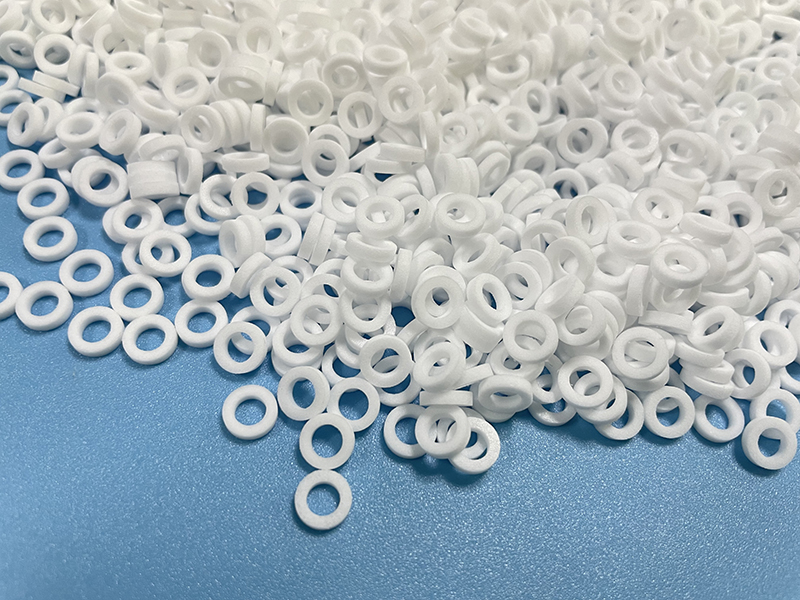
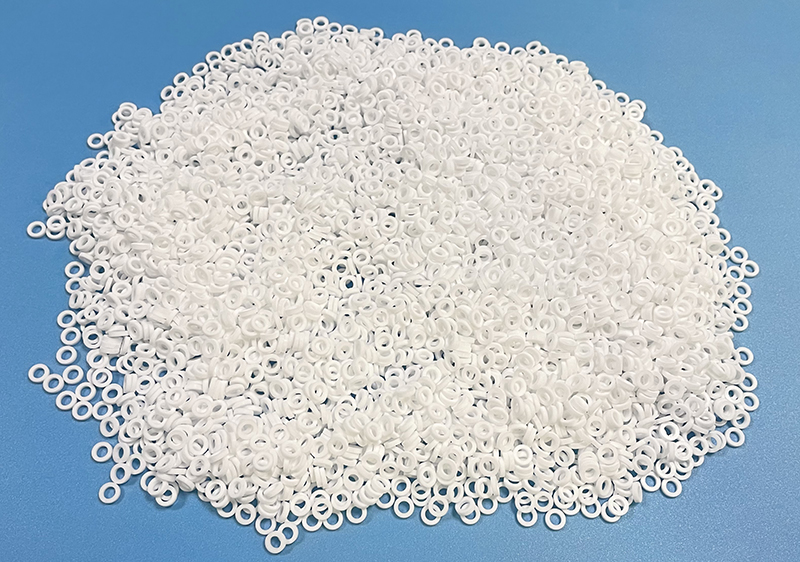
A sintered plastic ring is a component made from powdered plastic that has been heated to the point where the particles just begin to fuse together without fully melting. This process, known as sintering, creates a strong, durable, and often porous material that can be molded into complex shapes. Sintered plastic rings are used in various applications across different industries, including automotive, medical devices, and industrial machinery, due to their strength, precision, and cost-effectiveness.
The Sintering Process
Sintering is a process that involves compacting and forming a solid mass of material by applying heat or pressure without melting it to the point of liquefaction. Essentially, it’s a method of making objects from powdered materials. The process typically involves heating the material just below its melting point, causing the particles to bond together and form a solid structure. Sintering is widely used in the manufacturing of metal and ceramic parts, but it has also become a popular method for creating high-precision plastic components, including rings.
Composition of Sintered Plastic Rings
A sintered plastic ring is a component made from powdered plastic materials that have been compacted and fused together through the sintering process. These rings are typically made from engineering-grade plastics like PTFE (polytetrafluoroethylene), PEEK (polyether ether ketone), and various other thermoplastics. The choice of material depends on the intended application, with each type of plastic offering unique properties such as chemical resistance, thermal stability, and mechanical strength.
Benefits of Sintered Plastic Rings
Durability and Strength
One of the primary advantages of sintered plastic rings is their durability. The sintering process creates a dense, homogeneous structure that is resistant to wear and tear, making these rings ideal for applications where reliability is paramount. Additionally, the strength of sintered plastic rings is comparable to that of metal rings, but with the added benefits of being lighter and resistant to corrosion.
Precision and Consistency
Sintered plastic rings are known for their precision and consistency. The manufacturing process allows for tight control over the dimensions and properties of the rings, ensuring that each piece meets exacting standards. This is particularly important in industries where even the slightest deviation can result in significant performance issues. Whether it’s in an engine or a medical device, sintered plastic rings provide the reliability that modern technology demands.
Versatility in Applications
The versatility of sintered plastic rings is another major benefit. They can be used in a wide range of applications, from high-stress environments like automotive engines to delicate medical devices. The ability to tailor the material properties through the selection of different plastics and sintering parameters means that these rings can be customized to meet the specific needs of virtually any industry.
Common Uses of Sintered Plastic Rings
Automotive Industry
In the automotive industry, sintered plastic rings are used in various components, such as seals, bearings, and bushings. Their ability to withstand high temperatures and harsh chemical environments makes them ideal for use in engines and transmissions. Additionally, the lightweight nature of plastic compared to metal helps improve fuel efficiency, making sintered plastic rings a popular choice in modern vehicle design.
Medical Devices
Sintered plastic rings are also widely used in the medical field, where precision and biocompatibility are crucial. These rings can be found in various medical devices, including surgical instruments, implants, and diagnostic equipment. The ability to produce rings with very tight tolerances ensures that they function reliably in critical applications, while the use of biocompatible plastics ensures patient safety.
Electronics and Electrical Components
In the electronics industry, sintered plastic rings are used in components like connectors, insulators, and housings. Their excellent electrical insulation properties, combined with their ability to be manufactured in complex shapes, make them ideal for use in advanced electronic devices. Additionally, the resistance of these rings to heat and chemicals ensures long-term reliability in demanding environments.